
Why daily operation defines performance
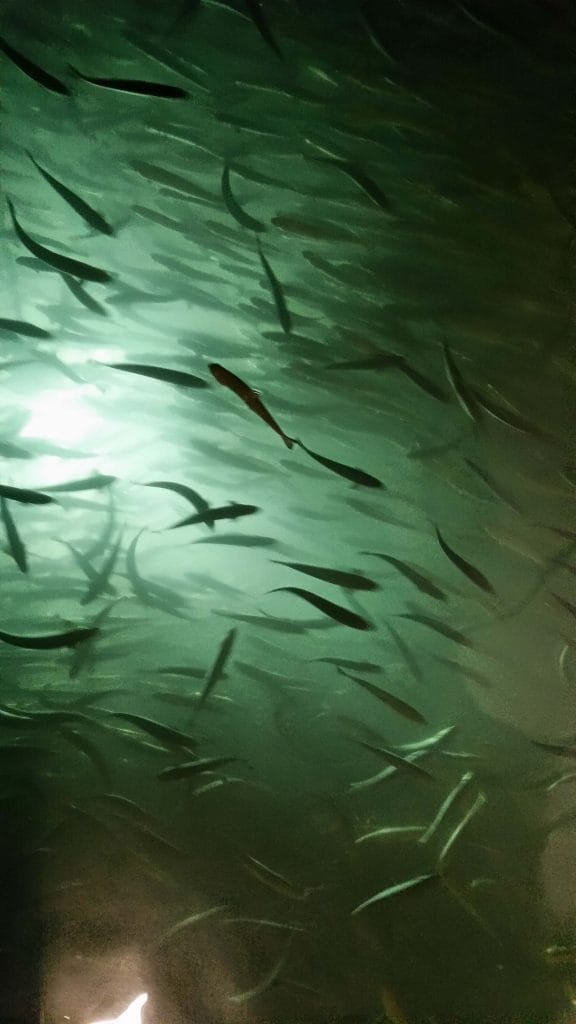
Fish welfare is closely linked to how a RAS facility is operated. Stable conditions are more important than theoretical performance.
Welfare as a system outcome
Fish welfare depends on multiple factors working together:
- water quality
- gas balance
- feeding practices
- handling and stress
These cannot be managed in isolation.
Operational impact
Small deviations in water quality or system performance can quickly affect fish.
Biological systems respond over time, and recovery is often slower than the initial disturbance.
The role of biology
RAS is a biological system with continuous microbial activity. Microorganisms, fish and water chemistry interact and influence each other. Operators are managing a living system, not just technical equipment.
Learning from operation
Practical experience is essential. Data from water quality, system performance and fish health must be collected and evaluated over time.
This includes:
- continuous monitoring
- trend analysis
- linking operational data to outcomes
Our perspective
System performance is defined in daily operation.
Design sets the framework, but results depend on how the system is run.
Key takeaway
Fish welfare is a result of stable, predictable operation over time.